Emergency Central Planning |
April 27th, 2020 |
| covid-19, disasters, econ |
distributing food and water after a hurricane or earthquake.
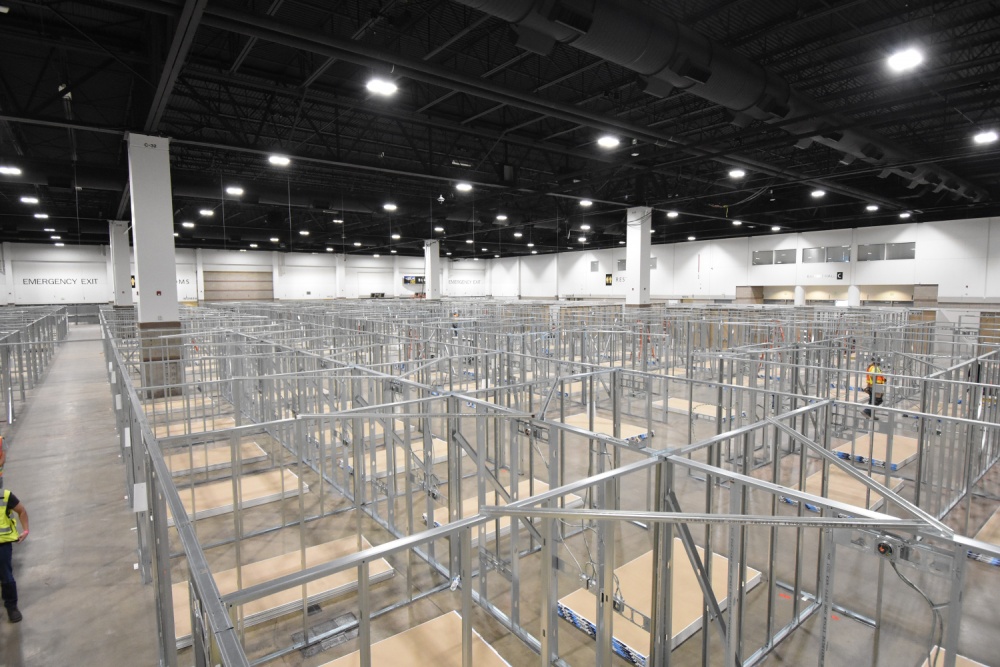
building out and running new covid-19 hospital facilities, instead of agreeing to fund treatment.
negotiating with foreign factories to produce more masks and arranging importation, instead of announcing they'll pay some elevated price to anyone who can supply them.
Normally, everyone is the best authority on what they need. We have a wide range of requirements and preferences, and competition means there are high rewards for resolving mismatches between what people want and what's available. People are also normally able to project their needs out into the future, because the world changes relatively slowly.
Once a disaster strikes, both of these invert. Basic needs become much more important, and these vary a lot less between people: we need food, water, shelter. In the current crisis we're very short on N95 masks, and while doctors probably do have opinions on Ambu vs Teleflex, mostly we just need a lot more of them, quickly. Additionally, people are dealing with something where they don't have much experience, and aren't going to be as good at planning around.
Then you can potentially get the upside of having professionals whose job it is to work full time on preparation, figuring out what disasters are likely and how we're going to want to respond. This is not something the US has been handling well, but perhaps when this is over it will be easier to communicate the need for funding this kind of "we probably don't need it, but if we do it's super important" work.
I don't think this is the only way to handle disasters: if law and custom allow prices to freely move in response to changes in what's available and what people are buying, then price signals are still a very strong tool. Both market and centralized approaches have downsides in crisis situations, with markets magnifying existing inequality, and centralization magnifying existing government incompetence. But people all suddenly wanting the same few things they didn't anticipate they would want dramatically levels the playing field between the two approaches.
Comment via: facebook, lesswrong, substack