Your Supplies Probably Won't Be Stolen in a Disaster |
April 22nd, 2026 |
| disasters, preparedness |
Looking at past disasters, people mostly fall somewhere on a "kind and supportive" to "keep to themselves" spectrum. When there is looting it's typically directed at stores, not homes, and violence is mostly in the streets. Having supplies at home lets you stay out of the way.
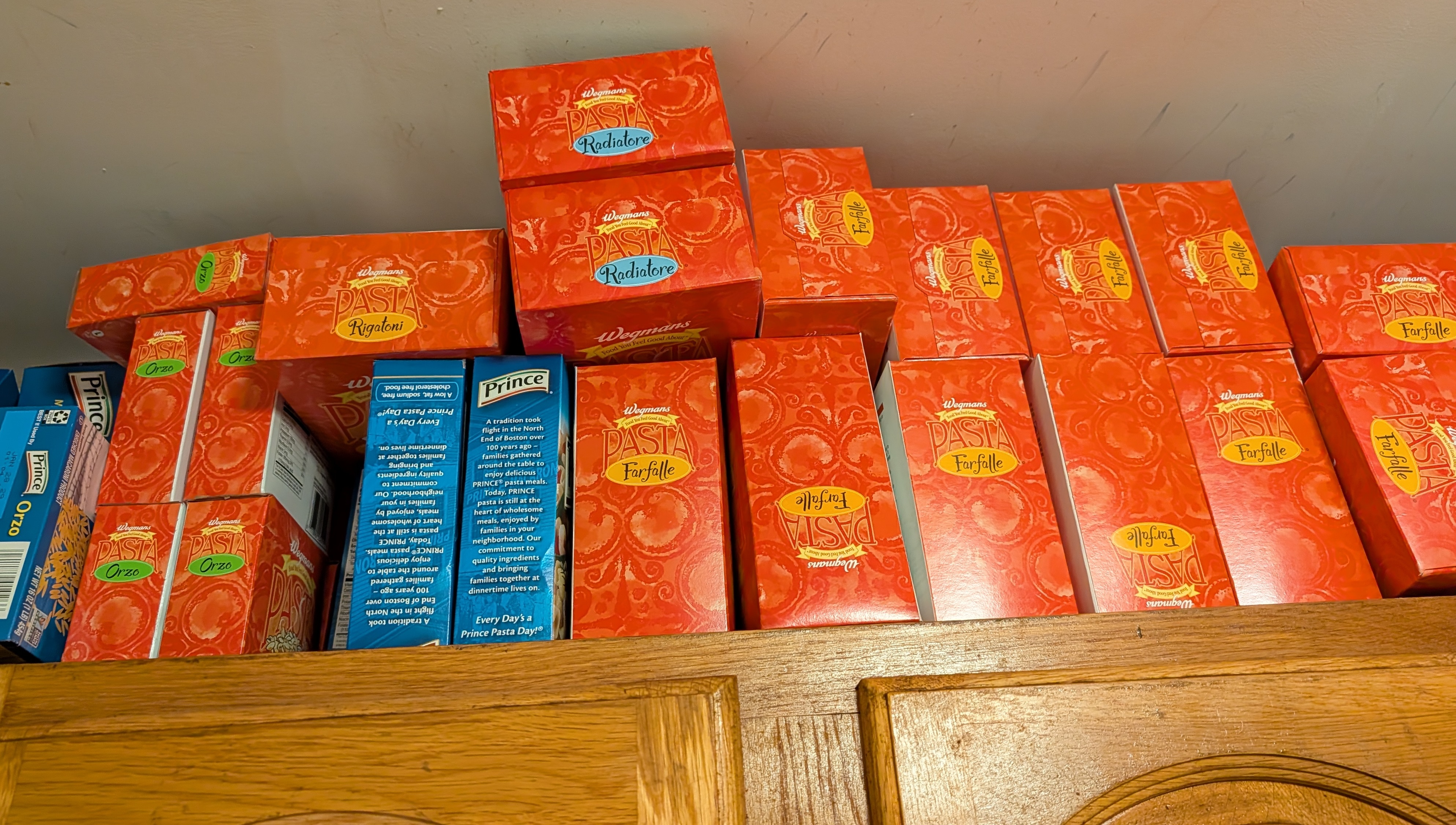
One distinction it's worth making is between short (hurricane, earthquake) and long (siege, economic collapse, famine) disasters. Having what you need at home is really helpful in both cases, but differently so.
In short disasters (1917 Halifax explosion, London Blitz, 1985 Mexico City earthquake, 2011 Japanese earthquake and tsunami) you typically see sharing and mutual aid. Stored supplies mean you're not competing for scarce resources, have slack to help others, and make you more comfortable.
Stories of looting in situations like this are often exaggerated or cherry-picked. I had heard post-Katrina New Orleans had a lot of looting, but this was actually rumor. There's a really good article, "Katrina Takes a Toll on Truth, News Accuracy" on how rumors got reported as fact, and how the truth was nowhere near this bad. But the rumors had real effect at the time, including contributing to police and vigilante overreaction. Future disasters will also have rumors and reckless people with guns trying to be the 'good guys'; more reason to stock what you need so you can stay home.
Long disasters are uglier. Here I think having supplies matters even more, but so does caution. The siege of Leningrad is a pretty extreme example, where survival mostly came down to things outside people's control (ex: ration categories). When people did have stored food, however, it was very helpful as long as they were discreet. As people became increasingly desperate over the prolonged siege-induced starvation there are stories of people cooking at night or eating food raw to avoid alerting their neighbors (and, in the case of raw food, also because of lack of fuel).
Argentina and Venezuela are less extreme examples, but still informative. Because these were not nearly as severe as Leningrad there was much less societal breakdown. When there was violence and theft, it was concentrated around stores and transit; while there were home robberies this was uncommon. People who had more at home needed to shop less, which meant less exposure.
Similarly, in the siege of Sarajevo the risk was different (snipers and shelling, not robbers) but the takeaway is the same: people who had supplies and were able to stay home were less exposed to the risk.
Across both short and long disasters the pattern is similar: risk is mostly external, homes are rarely targeted, and having supplies that let you stay home is protective. The "people who are stronger than you will take your stuff" still happens, and in long disasters it's worth putting thought into how to avoid being a visible target, but it's not a major factor and it's not nearly enough to outweigh the value of having food and other resources on hand.
Comment via: facebook, lesswrong, mastodon, bluesky, substack