Embracing Amateurs to Get Experts |
July 15th, 2026 |
| contra, music |
Lloyd Shaw was the superintendent of the Cheyenne Mountain School in Colorado Springs, who documented traditional Western square dancing in his book Cowboy Dances and kicked off what became Modern Western Square Dancing. This is a branch of the tradition that has gone in a very different direction from traditional contras and squares: instead of a simple form danced to live music with 10-25 regionally varying calls that welcomes people who've never danced before, MWSD has 100-400+ (depending on level) highly standardized and formalized calls, with classes, and is nearly always danced to recorded music. I have several friends that love it, especially at the high levels where they say it's a lot like collaborative physical puzzle solving.
Shaw died in 1958, however, after the introduction and spread of recorded music but before most of these other changes. I do suspect he wouldn't have been a fan: he'd say "keep it simple, keep it folk."
His wife, Dorothy Shaw, continued organizing dances, and in 1964 she and others founded the Lloyd Shaw Foundation to continue this work. The Foundation ended up in an interesting position between the worlds of MWSD and traditional contras and squares. They used recordings, going back to the early days of the western square dancing revival, but at the same time they were attempting to carry on a folk tradition. Since 1979 they've been publishing a quarterly magazine, American Dance Circle, and looking through the archives, there was clearly a significant debate happening in the Foundation's community in the late 1980s and early 1990s on how to approach live music.
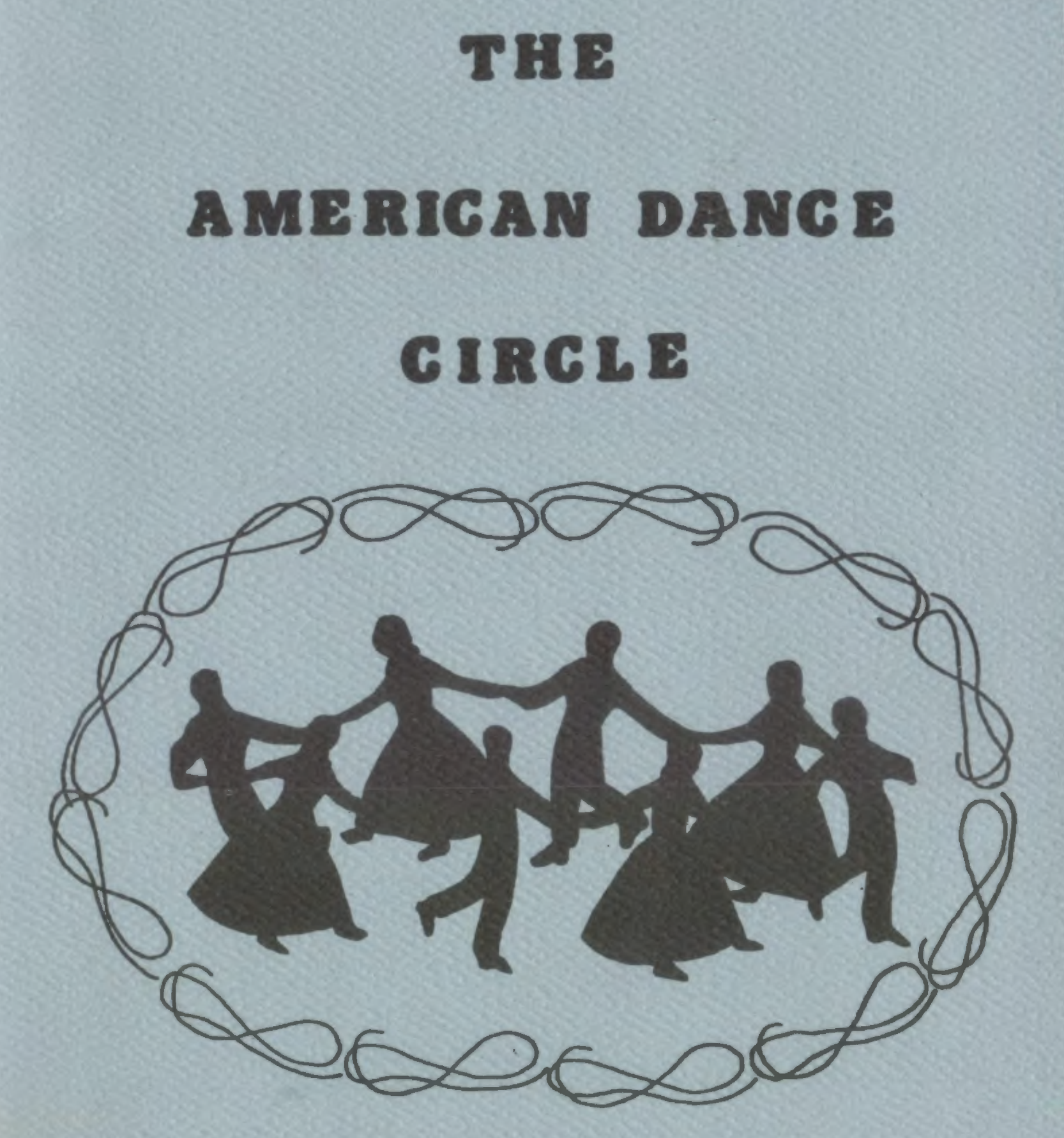
I was especially interested to see three articles by Foundation president, and the Shaws' granddaughter, Enid Cocke. The first, in November 1985, is a strong defense of recorded music (The American Dance Circle Vol 6 No 4):
...Another issue that stimulates endless debate is whether to use live or recorded music. It is certainly the most wonderful situation if you have expert musicians who can play any tune you want and do it at the tempo you want. But I have been to dances where the musicians were inexpert and had a limited repertoire, and this clearly detracted from the quality of the evening. Because the music is so important to the dance, I just cannot accept the view that any live music is better than recorded music.
Rather than turning our backs on modern technology, I would make creative use of it. Thus at our dance weeks we can dance to the best New England and French Canadian contra dance music and the finest Scottish and English dance orchestras. Thanks to Bill Johnston's efforts we have available to us tapes of all the music recorded by the great Harry Davidson orchestra. With records we can do any round dance and singing call; in my experience it is often the rounds that get neglected when a live band is playing. And of course folk dances often require special instrumentation and musical styles that cannot be reproduced by a band that is used to playing only hoedowns, jigs, and reels.
Last weekend some of us from this area who had been together at Granby gathered for a dance reunion in our hostess's basement. We had an elegant time doing our favorite dances, all of which had beautiful music. We should be grateful for the technology that makes such an evening possible. And we should resolve as leaders to make even better use of our treasure trove of recorded music.
Three years later, in September 1988, she wrote another letter. After a great experience with Glen and Judi Morningstar's mentoring, she's now much more positive on live music (American Dance Circle, Vol 9 No 3):
...In the past few years we have tried to respond to suggestions that we provide some live music. We began first with volunteers and without adequate amplification, but this year we took a quantum leap forward. We had better equipment, but much more important, we had Glen and Judi Morningstar from Pontiac, Michigan. What talented musicians and gracious people they are! They made an enormous contribution by educating musicians, dancers, and leaders about the uses of live music.
Those of us who played in the band--Randy and Carol Barnes, Dale Sullivan, Holly Baker, Don Armstrong, and the Cockes and Litchmans--appreciated the Morningstars' musicianship and tact. I for one learned a lot about the making of good dance music. Another dance leader commented that he had received an education in working with musicians. Many of us are called upon to call with live music. Now we know of steps we can take to insure that the band will have an adequate repertoire and to establish a danceable tempo.
In the continuing debate about live music versus recorded music, Glen Morningstar presented a very reasonable response: The Lloyd Shaw Foundation should be the organization that combines the two. Recordings provide variety of sound and style while live music can provide spontaneity and flexibility. Why not combine the best of both?
....
Four years later, in December 1992, she wrote a third letter. Here she talks about how happy she is that the dance community now has so many great musicians who can play for dancing ( American Dance Circle, Vol 13 No 4):
...We all know quality when we see it. In dance it is that wonderful experience when music, choreography, calling, and dancing come together and make something that is more than the sum of its parts. In a single word, it is joy.
Unfortunately, we sometimes are more aware of quality by its absence. It is possible for people to embrace everything that seems "folksy" and to forget about what constitutes quality. I have encountered people who contra dance a few times and then write down a few contras on 3 x 5 cards and feel equipped to call a contra dance. They have no sense of the musical phrase, and soon the dance and the melody part company. The caller is ready to call the beginning of the dance sequence, but the band hit the beginning of the music a dozen bars ago. It is a punishing experience for anyone who has experienced a well-timed contra.
Ten years ago I felt that the missing element in the quality equation was often the music. In insisting on live music, people were inclined to think that any live music was better than recorded music even if the band couldn't play up to speed and knew only ten tunes. Now we seem to have a wealth of competent, experienced dance musicians. In some cases a band may be the starting point for a contra group. The musicians want to play for dancers, so they draft a caller or become callers themselves so that they can play for dancers.
...
Looking over this progression, and the rest of the folk revival, it seems likely to me that the music Cocke dismisses as low-quality was a necessary prerequisite of the thriving live music tradition she's now glad to see. I suspect the people in the community who pushed hard for live music, including accepting tradeoffs like small repertoires and amateur musicianship, set up the conditions to restore live dance music as a core component of the living tradition. The "wealth of competent, experienced dance musicians" she celebrates in 1992 grew out of communities that had been willing to dance to bands that couldn't play hard stuff up to speed and played the same ten tunes every time. I'm sure this wasn't all of it: folks working hard to become better musicians, and better dance musicians, must also have been critical. To become good at playing for dancers, however, you have to play for dancers, and that means a community that is accepting of people at a range of stages along their musical journey.
Comment via: facebook, lesswrong, mastodon, bluesky