Considering Installing a Solar Battery System |
September 6th, 2026 |
| preparedness, solar, tech |
Massachusetts has the ConnectedSolutions program, where you can get paid to send battery power to the grid during times of very high demand. With 10 kWh of storage that I'm ok draining fully this would be about $1k/y. [2] I don't care about reserving capacity because I'm trying to reduce risk from serious disasters lasting weeks or more, and losing power until the next morning is more of an inconvenience.
It also has HEAT loans, which offer seven-year 0% financing for eligible energy improvements, including installing batteries. Though our family has a $12.4k cap here because we used some on heating improvements in 2015.
As I touched on a few days ago, when I think about how AI is likely to impact the world I'm putting increasing probability on a messy middle path. That is, regardless of whether the long-term outcome is good or bad, we might have very large scale disruptions in the near future. I want to have power even if the grid becomes unreliable or is down for an extended period.
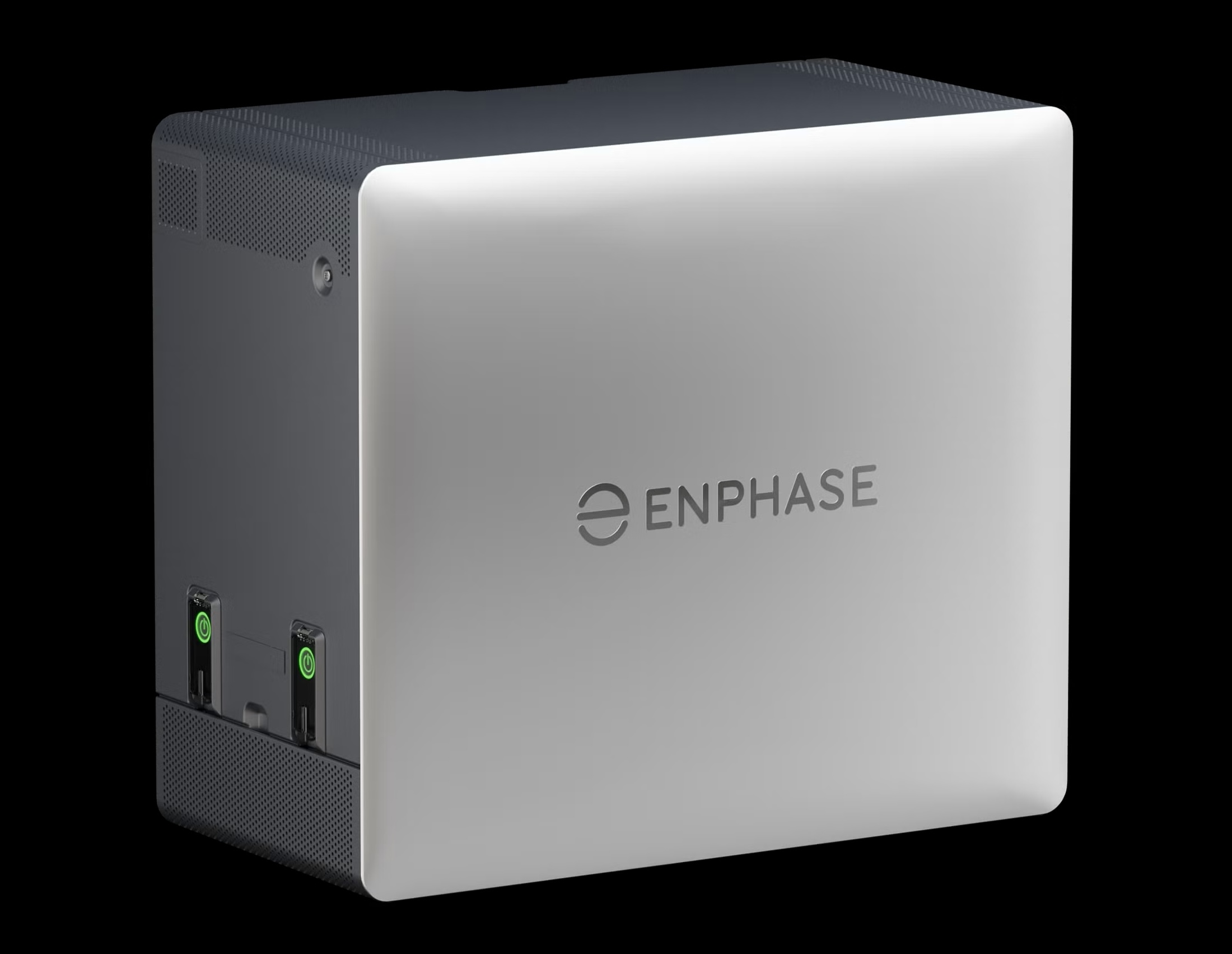
Getting a 10 kWh system installed looks like it would cost about $16.2k (for the Enphase 10C, which works well with the existing panels' IQ8 microinverters). Since our property is only eligible for $12.4k available for a HEAT loan, we'd be spending $3.8k up front, and then ~$800/y after incentives during the next seven years. [3] After that we'd make some money, but this is definitely not competitive as long-term investments go and I don't think money earned that far out helps much. Overall, this seems likely worth it for us for reducing our personal risk in future long-term disasters, though it's still a lot of money and I'm not fully decided yet.
[1] Not quite useless: panels have standard MC4 connectors so you
could go up on the roof (yikes) in the dark so you don't get shocked
(yikes!) and connect them to cables that would power a solar
generator (portable power station with solar input). And then in
our specific case we do also have a small amount
of best-effort solar on one side of our roof.
[2] They pay $275 per kW delivered, averaging across each summer's events. A 10 kWh battery emptied over a ~2.5hr average event is ~3.6kW. At $275/kW that's ~$1k.
[3] The rate is only guaranteed for the first five years, so it could be a bit worse than this in years 6 and 7.
Comment via: facebook, lesswrong, mastodon, bluesky