Initial DIY Cleanroom Experimentation |
September 22nd, 2026 |
| bio, ea, preparedness |
I decided to try a simpler version, testing how much I could positively pressurize a single room with a relatively powerful HEPA air purifier (AirFanta 3Pro. This is close to a best case, since most people won't have something as good as an AirFanta.
My first question was whether the AirFanta can pressurize much of anything, since it uses axial fans and these can stall when facing excessive pressure:
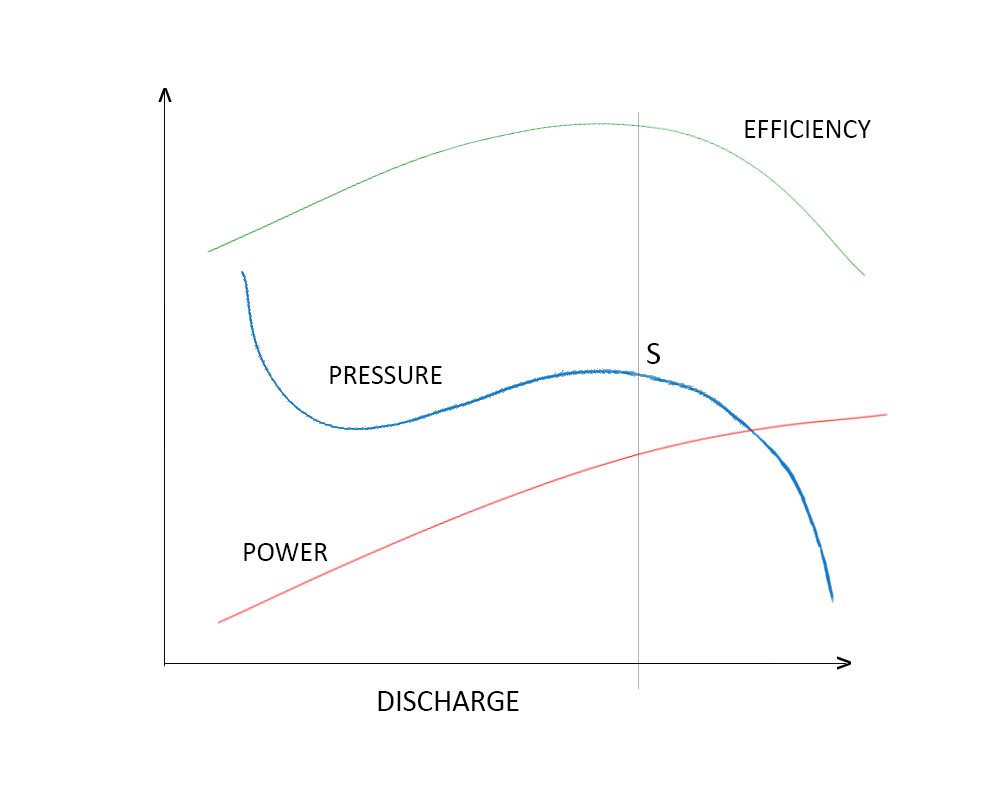

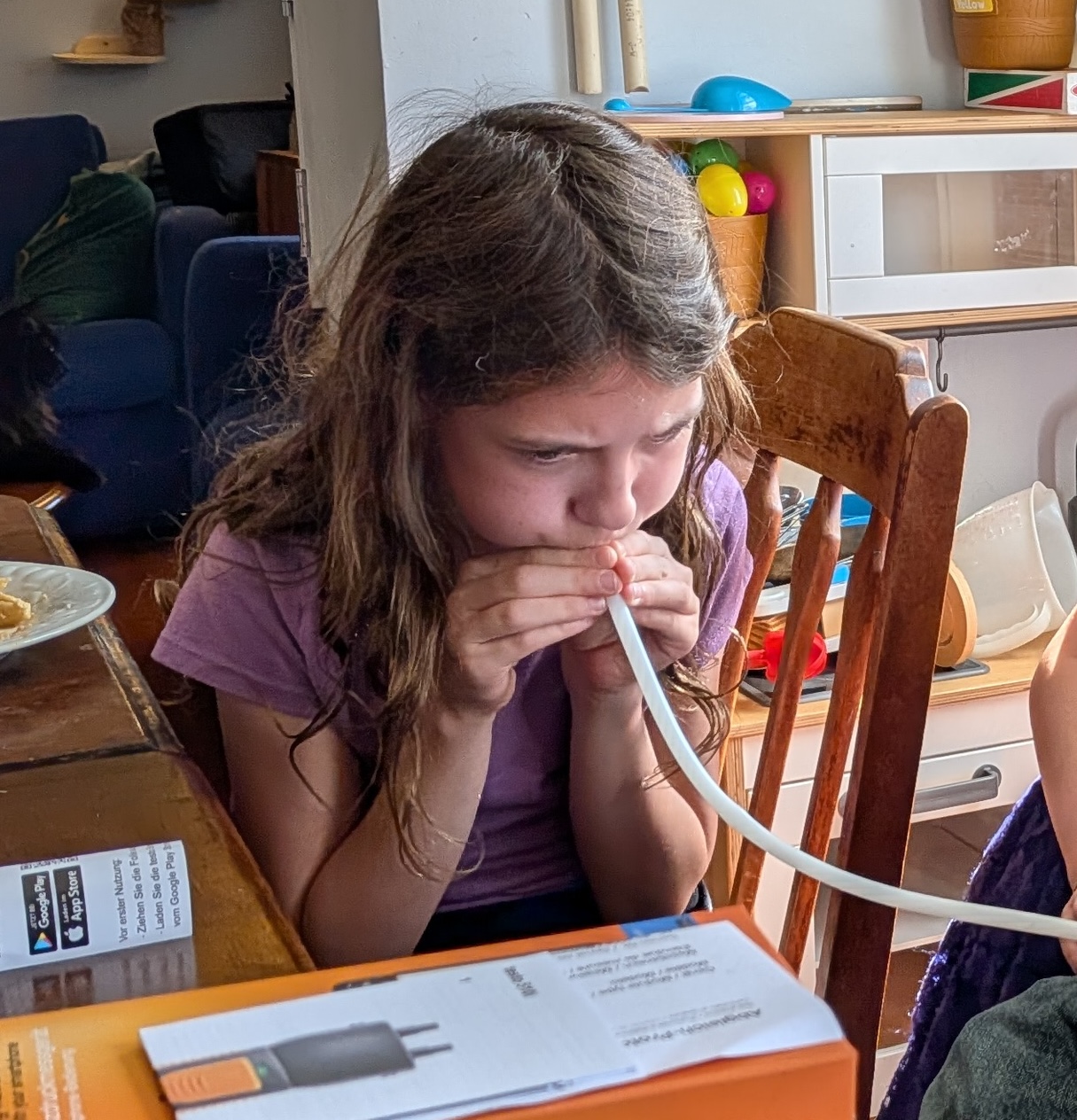
To measure the pressure delta I was going to need some kind of manometer. Most cheap test tools are designed for very large pressure differentials, but I found the Testo 510i which looked to be just barely good enough with its 5 Pa rated accuracy.
The kids enjoyed testing it out:
I taped a trash bag around the top of the AirFanta and measured what pressure it could get to:
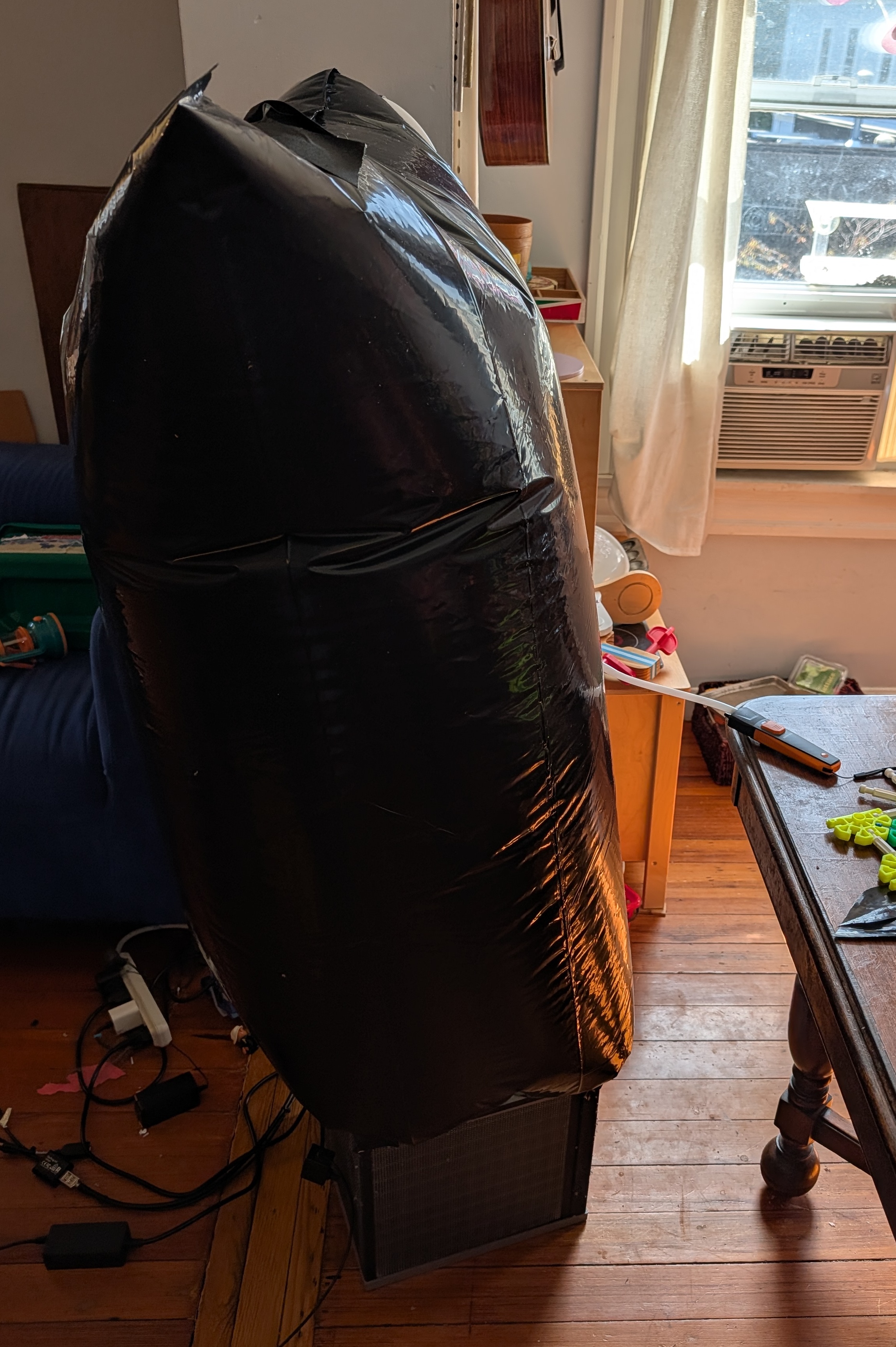
There were some small gaps in the taping, but it got to 83 Pa. Pretty good!
Then I tried pressurizing a room. Someone in a tight modern house could probably get close to that 83 Pa, but ours is old and leaky so I wasn't expecting anything in that range. I opened the bag the rest of the way at the top, taped it across the door, and used plastic sheeting to close off the rest of the doorway:
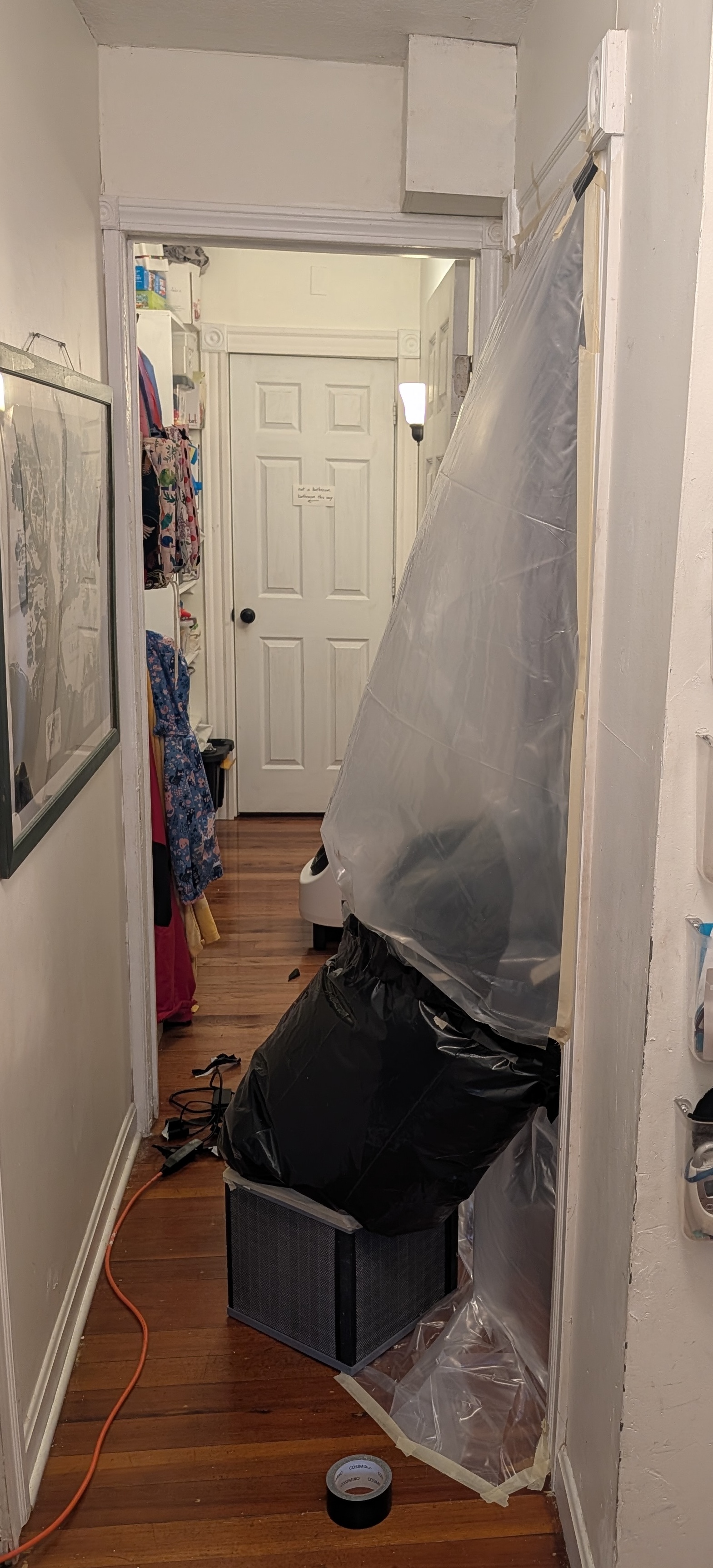
It billowed out, and I felt air escaping through the many tiny gaps in my taping. I forgot to take a bias measurement first to calibrate, though, so I don't have a pressure number for this setup.
The issue with putting something over the door is that every time you go in and out of the room you need to carefully seal and unseal it. Which uses a ton of tape! Unless your room has two doors, you'll quickly run out of tape. Clearly we should go through a wall.
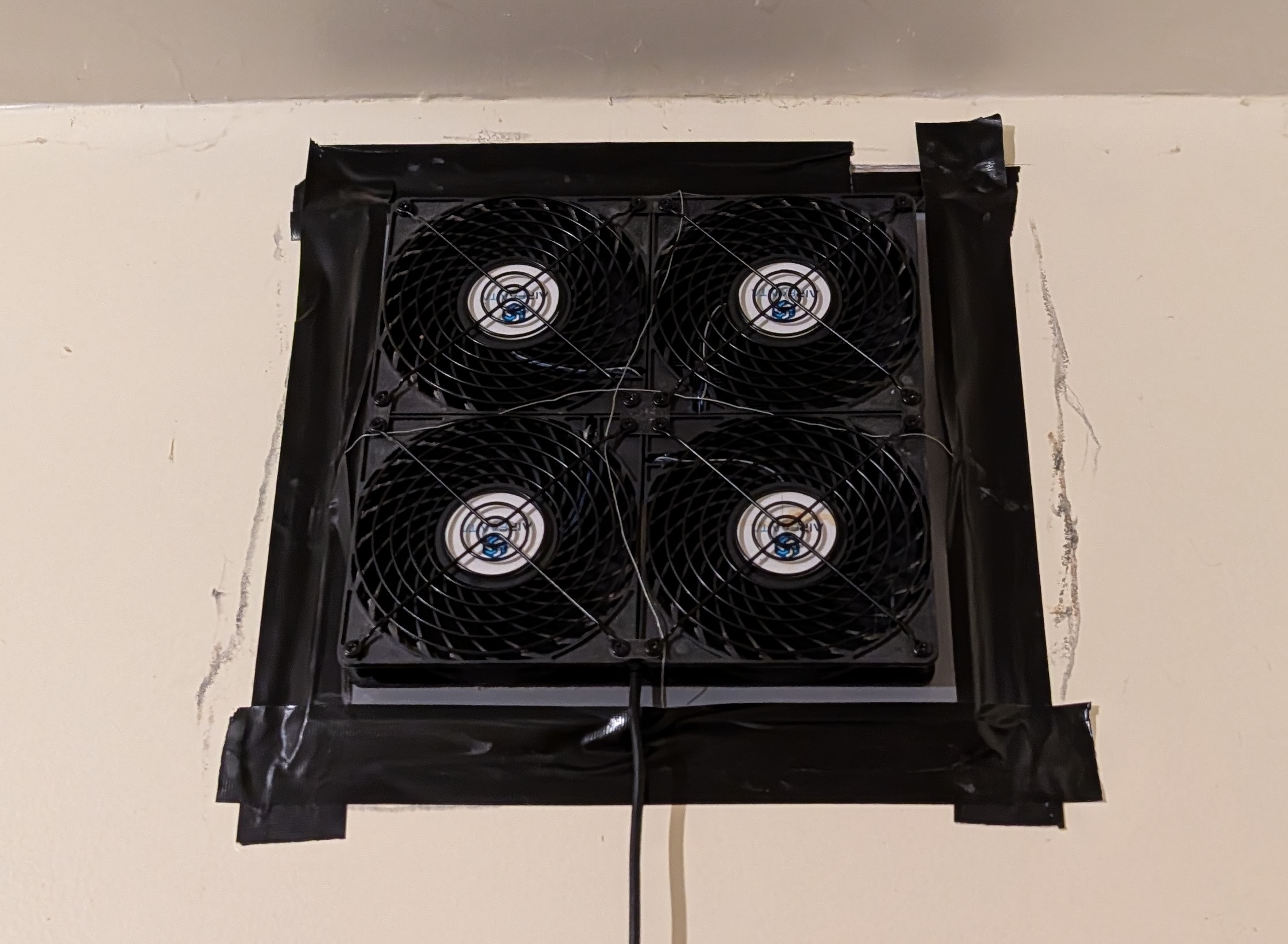
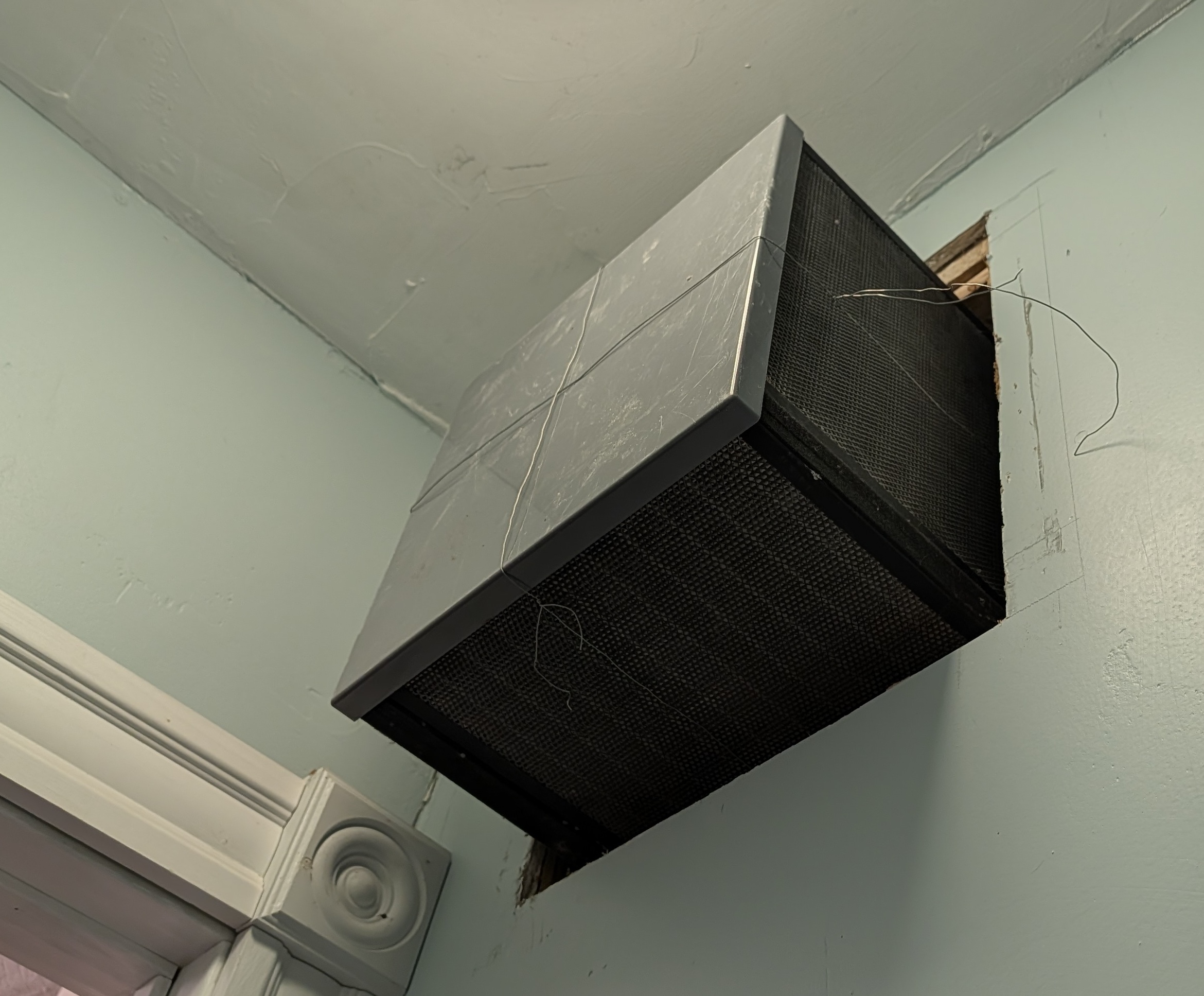
I made a 13x13" hole in my wall [1], and mounted the AirFanta horizontally. It immediately fell apart, because it uses friction fits that aren't designed for sideways loading. I reassembled it, and used baling wire to keep it together:
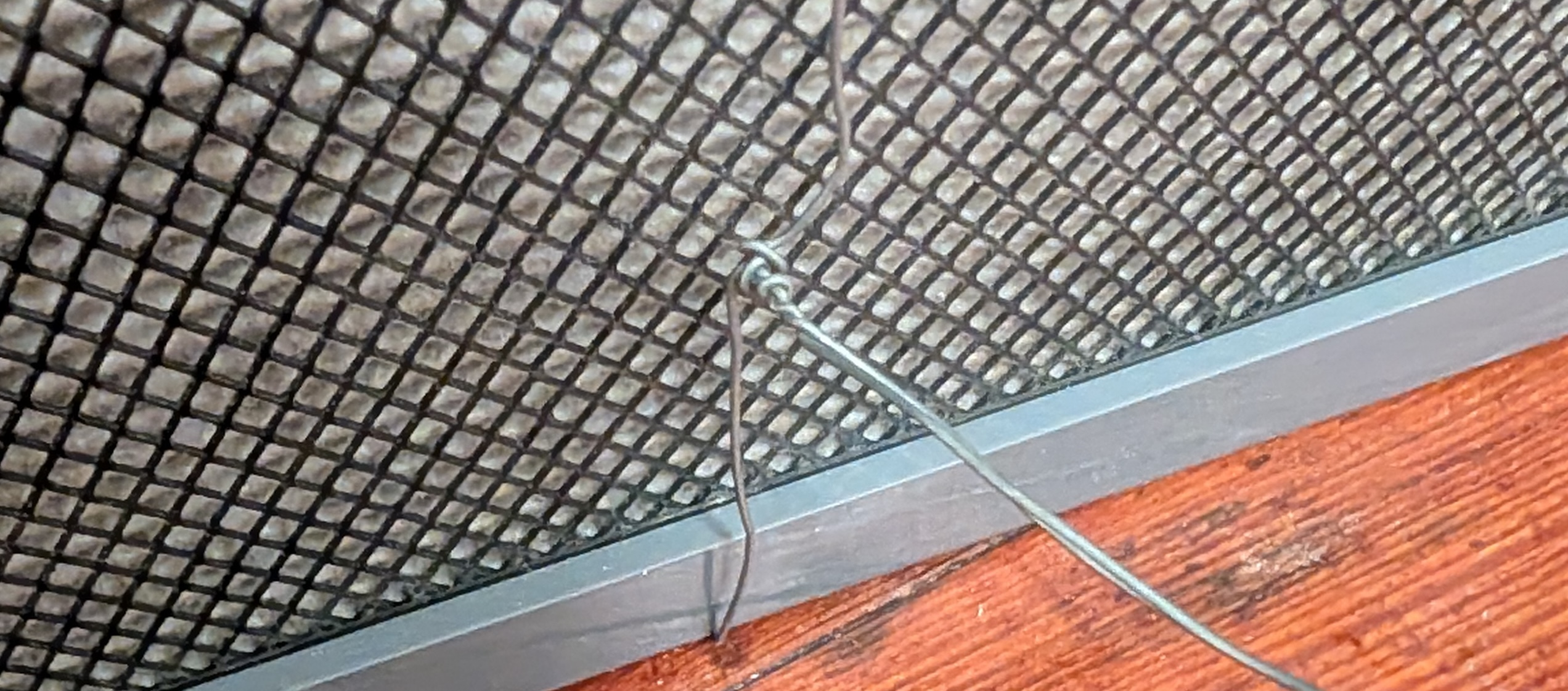
I taped around the edges to prevent air from escaping:
It looks even sillier from outside the room:
I measured 12 Pa. I'm not sure how seriously to take this: the meter is only rated to 5 Pa. Moving the hose in and out of the room repeatedly it was consistently a 12 Pa delta, so maybe it's real? A professional meter that's very sensitive is an expensive proposition, but the raw sensor is cheap and a DIY project sounds fun. I've ordered a SDP810-500PA pressure sensor, and will wire it up with an Arduino. [2] With fine-grained pressure sensing I should be able to plug holes and see what makes the number go up, which also suggests that if at some point people are going to do this in a widespread DIY manner we'd want cheap phone-attached pressure sensors.
There's also a big question of what pressure delta you actually need. Unfortunately it's not a single number: Adin has estimates based on wind speed, but if the leaks are through cracks that run into the wall cavity or other parts of the building (ex: baseboard leaks) then that's much more wind-resistant than if they run directly to the outside (ex: window leaks). I haven't been able to think of a good way to measure this: maybe waiting for winter, running the fan in reverse (negative pressure) and using my fingers, a thermal camera, or a thermometer to get a sense of how cold the incoming air is?
I'd also like to measure how well this works in a realistic test, beyond extrapolating from pressure plus knowing that the AirFanta uses HEPA filters. I did some very rough testing where I made smoke in the kitchen and looked at levels in this room, but even with the fan off particle levels stayed very low as long as I kept the door closed. I could try lighting eastern Canada on fire again, but I think that wouldn't be worth it: the levels of smoke I need for a real test are impractically high. During the smokiest bit of the summer, an AirFanta fully within the house could already get PM 2.5 down to the limit of detection of my meter.
When I'm done I'll put something over the hole, leaving it available for potential emergency use. But for now, more testing!
[1] This was more work than eight words suggests.
[2] While I'm at it I'll also set up a PMS5003 particle monitor (which I've been eyeing since this post). I don't really know much about electronics, but Claude can walk me through.
Comment via: facebook, lesswrong, the EA Forum, mastodon, bluesky